Spanish road signs in English
What each sign means, where you meet it, what to do and which sign it is confused with, from the official catalogue of Royal Decree 465/2025. The official wording of each sign is quoted in Spanish, the way it appears in the exam.
Warning signs
 P-1 Junction with priority
Warning triangle for a junction with another road whose users must give way. P-2 Junction with priority from the right
Warning triangle for a junction where the general priority rule applies.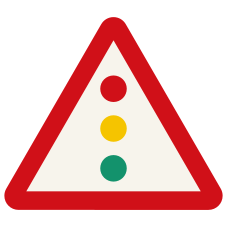 P-3 Traffic lights
Warning triangle for an isolated junction or a stretch controlled by traffic lights. P-4 Roundabout
Warning triangle for a roundabout with traffic flowing in the direction of the arrows.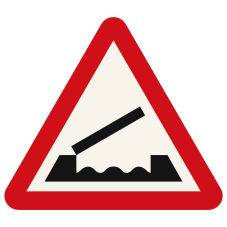 P-5 Movable bridge
Warning triangle for a bridge that can be raised or swung, interrupting traffic.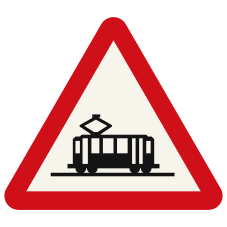 P-6 Tram crossing
Warning triangle for a crossing with a tram line, which has priority of passage.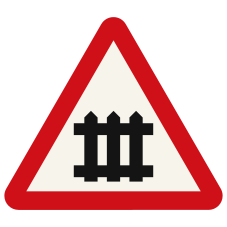 P-7 Level crossing with barriers
Warning triangle for a level crossing fitted with barriers or half-barriers.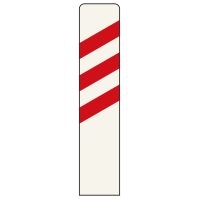 P-9a Approach marker for a level crossing, movable bridge or quay (200 m, right side)
Marker showing a level crossing, movable bridge or quay 200 m ahead, on the right of the carriageway. P-11 Location of a level crossing without barriers
Cross that marks the immediate presence of a level crossing without barriers.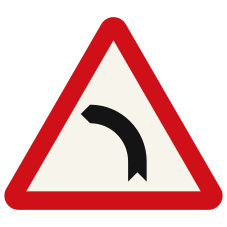 P-13b Dangerous bend to the left
Warning triangle for a dangerous bend to the left.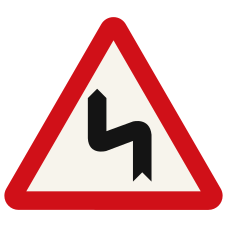 P-14b Dangerous bends, the first to the left
Warning triangle for a series of dangerous bends, the first one to the left.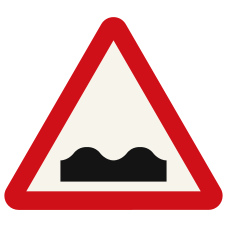 P-15 Uneven road surface
Warning triangle for a bump, a dip or a poorly maintained road surface.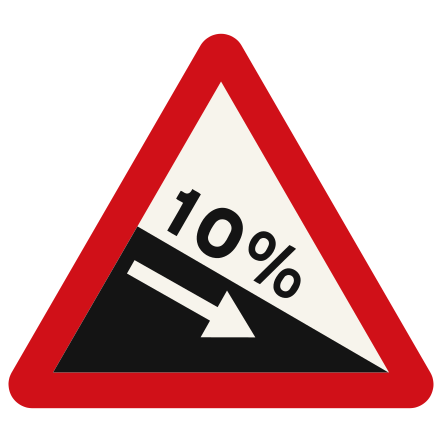 P-16a Steep descent
Warning triangle for a steep downhill stretch; the figure is the gradient in per cent.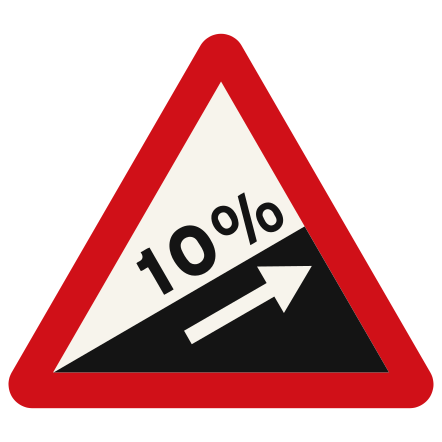 P-16b Steep ascent
Warning triangle for a steep uphill stretch; the figure is the gradient in per cent.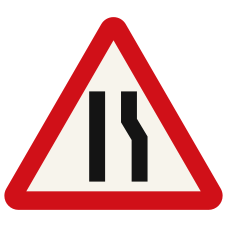 P-17a Carriageway narrows on the right
Warning triangle that the carriageway narrows on the right-hand side.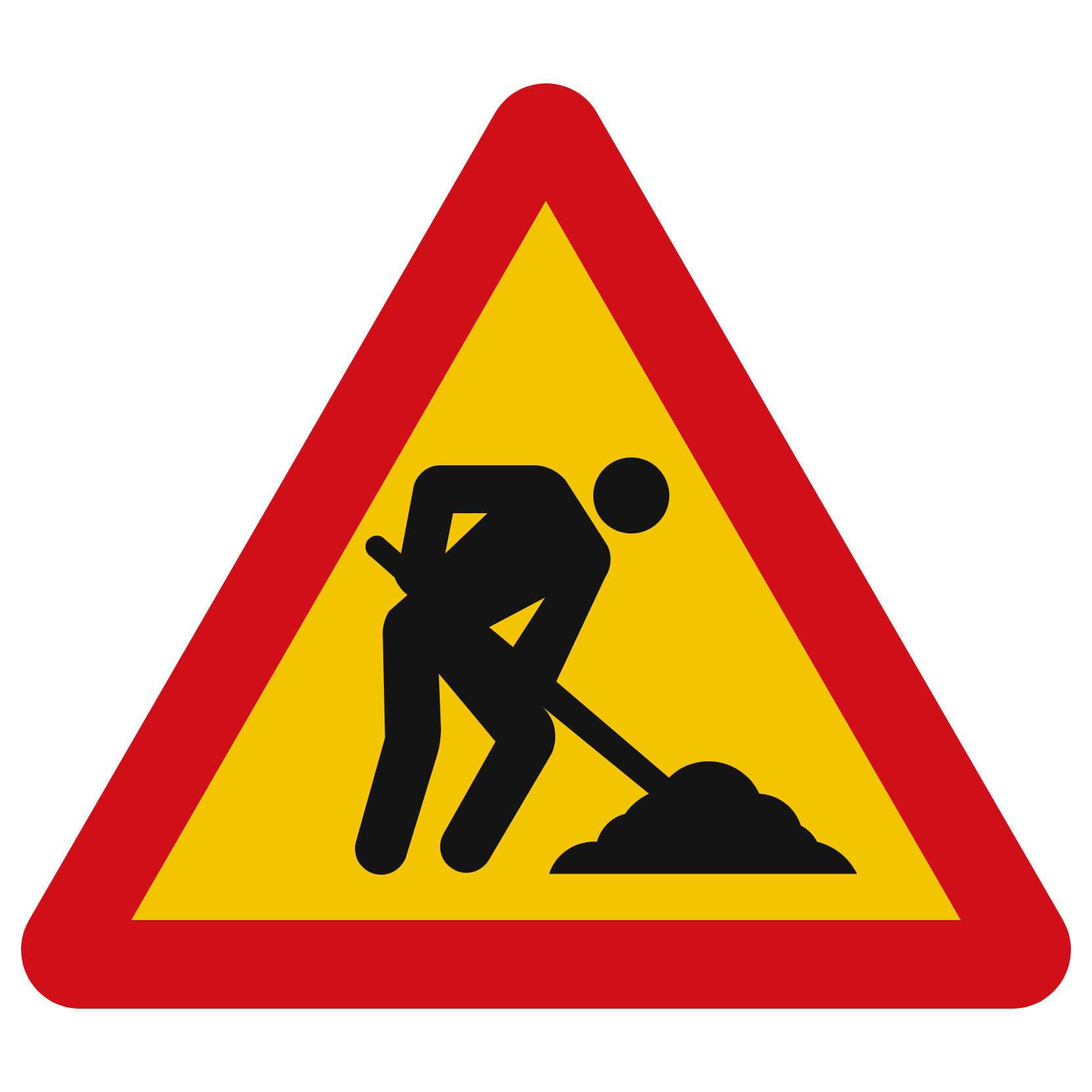 P-18 Roadworks
Warning triangle for a stretch of road under works ahead.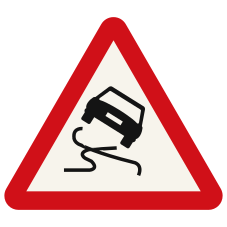 P-19 Slippery road surface
Warning triangle for a stretch of carriageway whose surface may be slippery.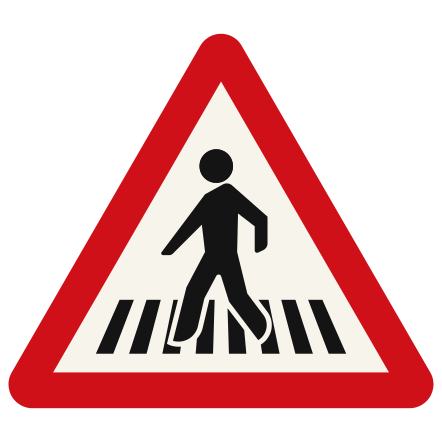 P-20a Pedestrian crossing
Warning triangle for one or more pedestrian crossings ahead.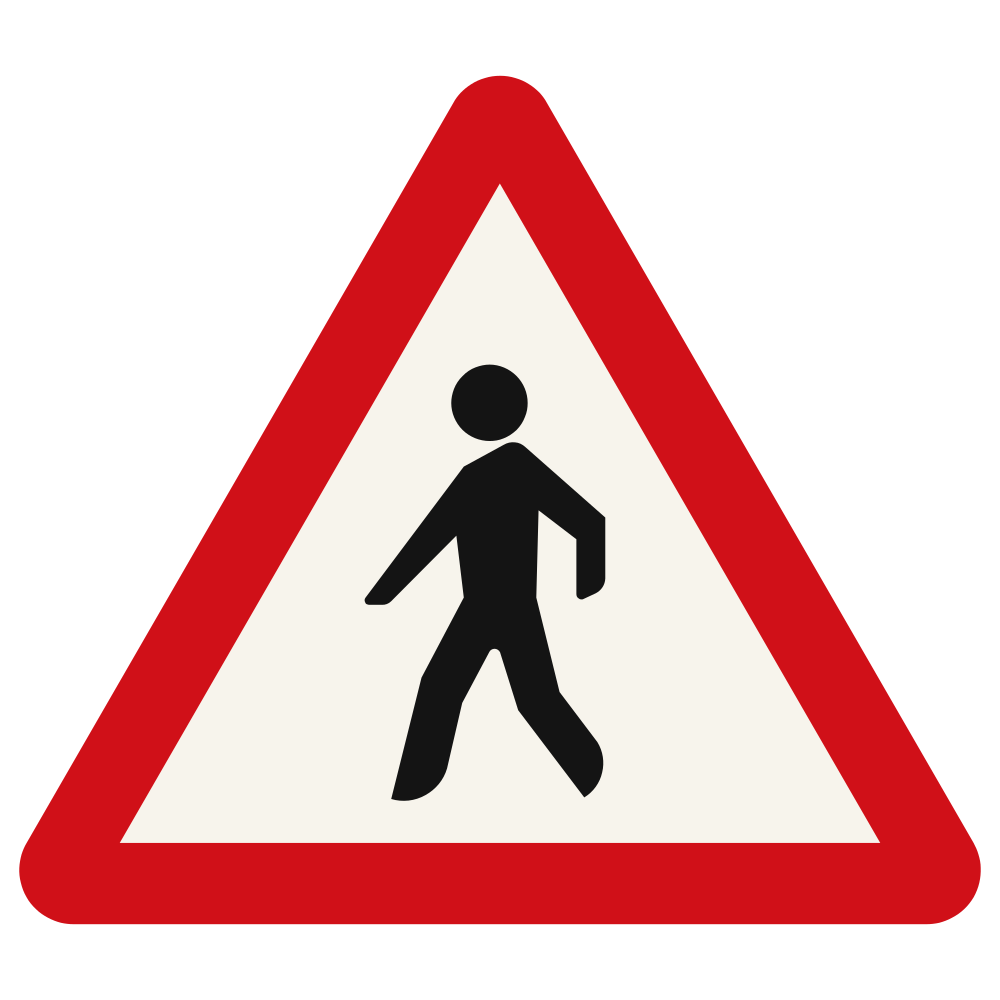 P-20b Pedestrians
Warning triangle for a place or stretch with heavy pedestrian traffic.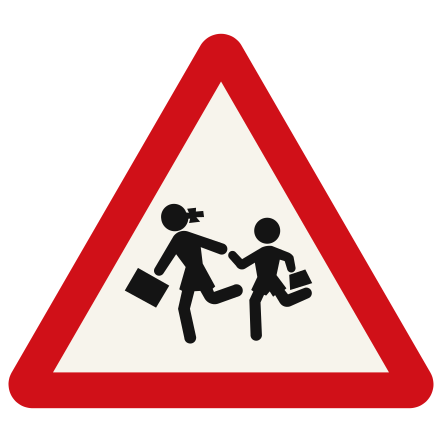 P-21a Children
Warning triangle for a place frequented by children, such as a school or a play area.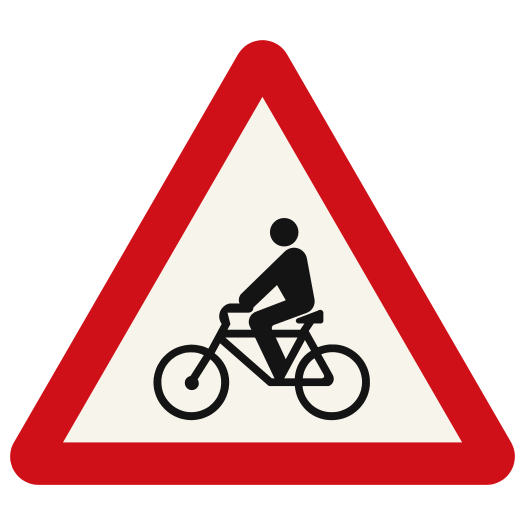 P-22b Cyclists
Warning triangle for a stretch with frequent cycle traffic.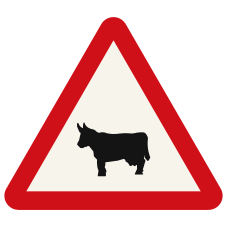 P-23 Livestock crossing
Warning triangle for a place where livestock or domestic animals often cross the road.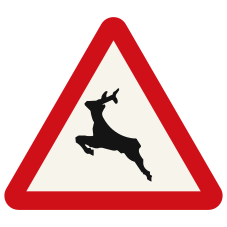 P-24 Free-roaming animals crossing
Warning triangle for a place where free-roaming animals often cross the road.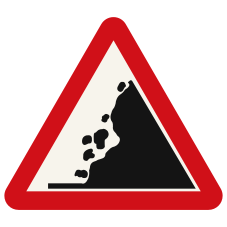 P-26 Falling rocks
Warning triangle for an area with frequent rockfalls and possible obstacles on the carriageway.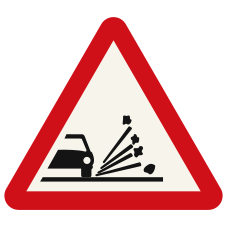 P-28 Loose chippings
Warning triangle for a stretch where chippings may be thrown up as vehicles pass.
Regulatory signs
 R-1 Give way
Duty to give way at the next junction, without always stopping.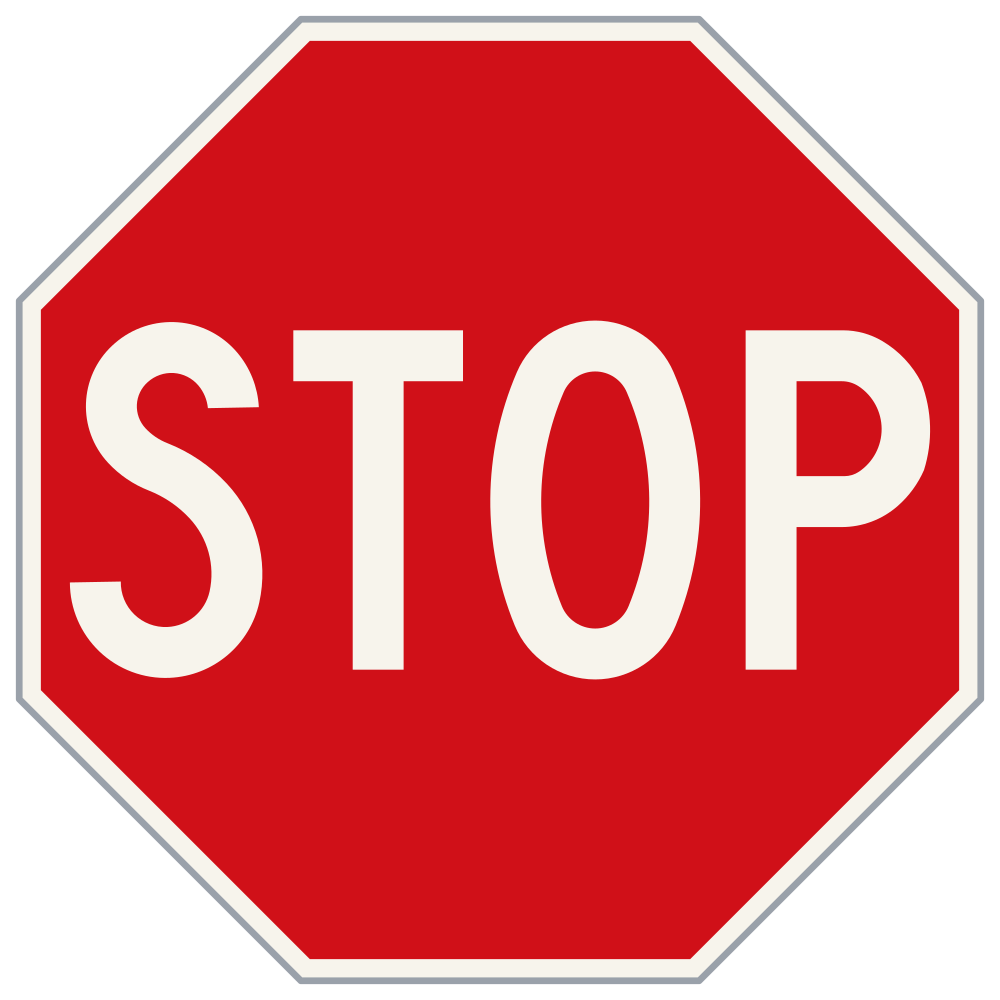 R-2 Stop
Duty to stop at the line or before the junction and give way.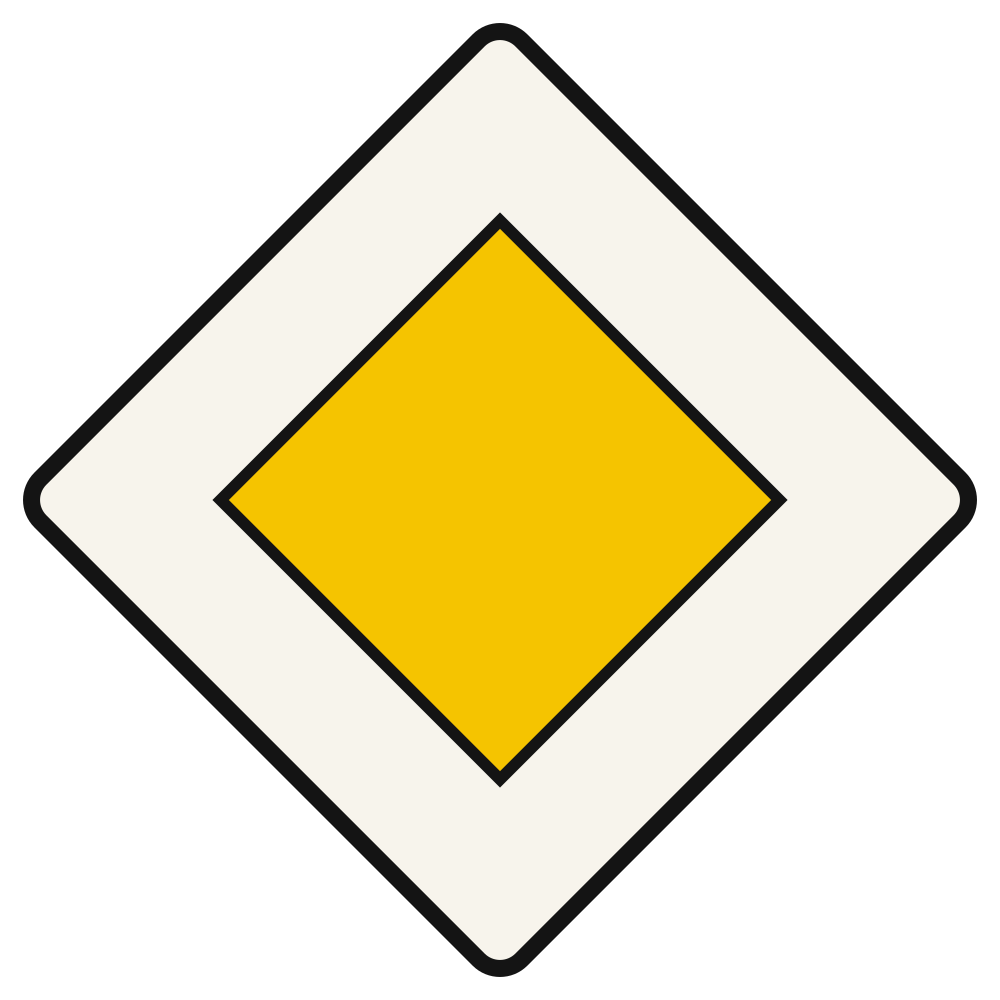 R-3 Priority road
States that your carriageway has priority at junctions over the carriageway that crosses it.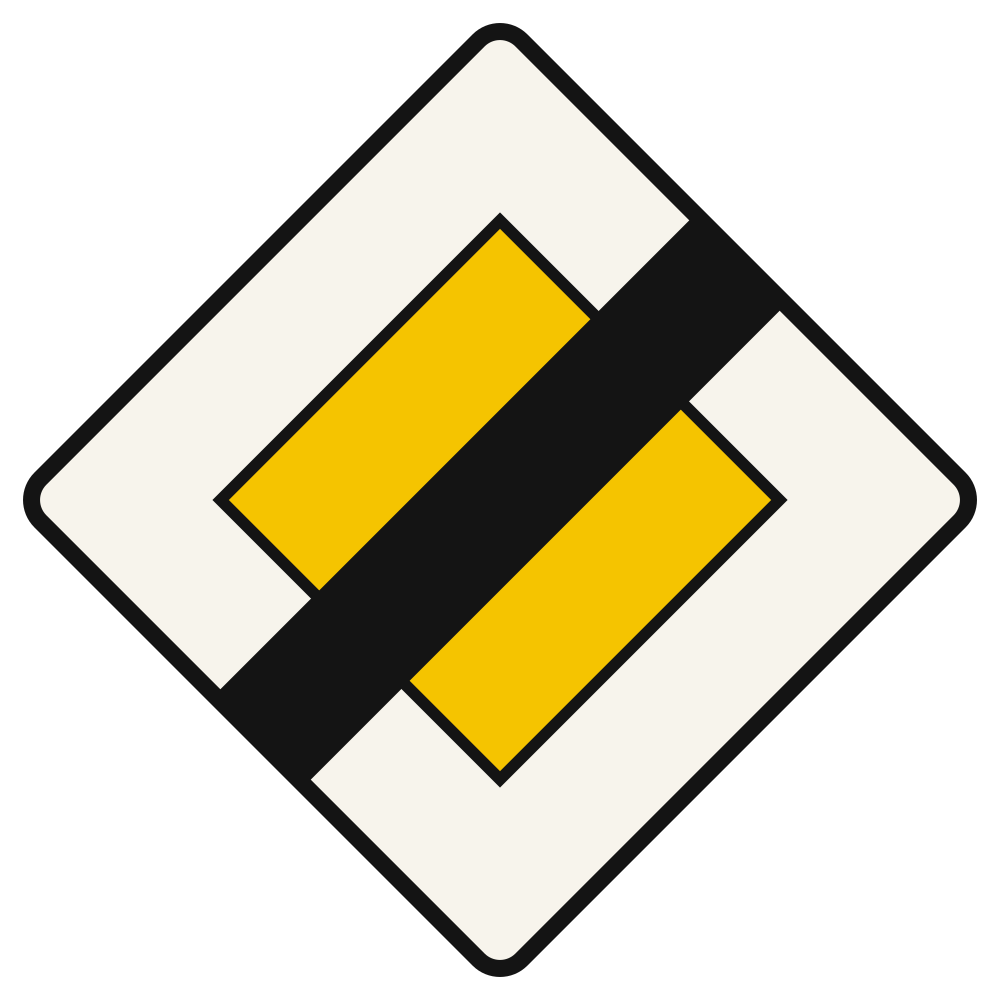 R-4 End of priority
Announces that the carriageway you are on is about to lose its priority. R-5 Priority for oncoming traffic
Bars you from entering a narrow passage while you would force oncoming traffic to stop.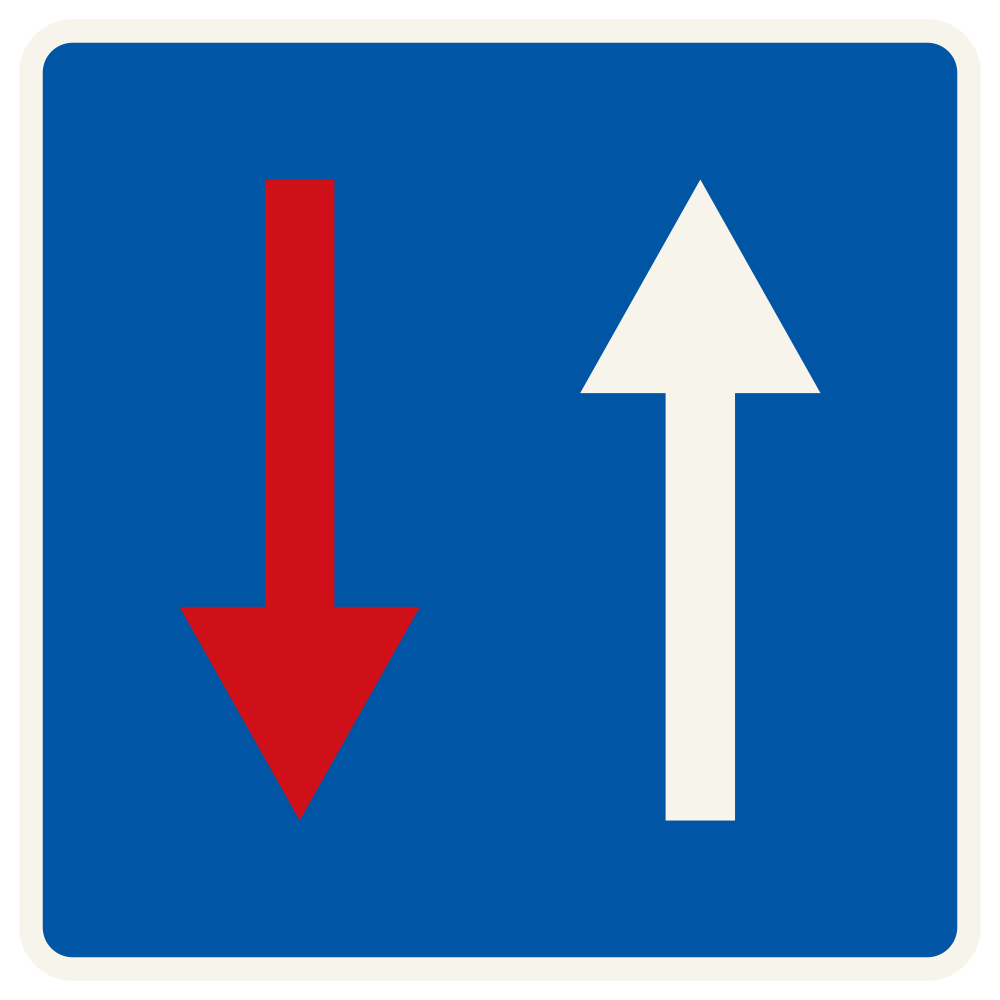 R-6 Priority over oncoming traffic
Gives you priority over oncoming traffic at the next narrow passage. R-101 No entry
Bans access from the front to every kind of vehicle, bicycles included.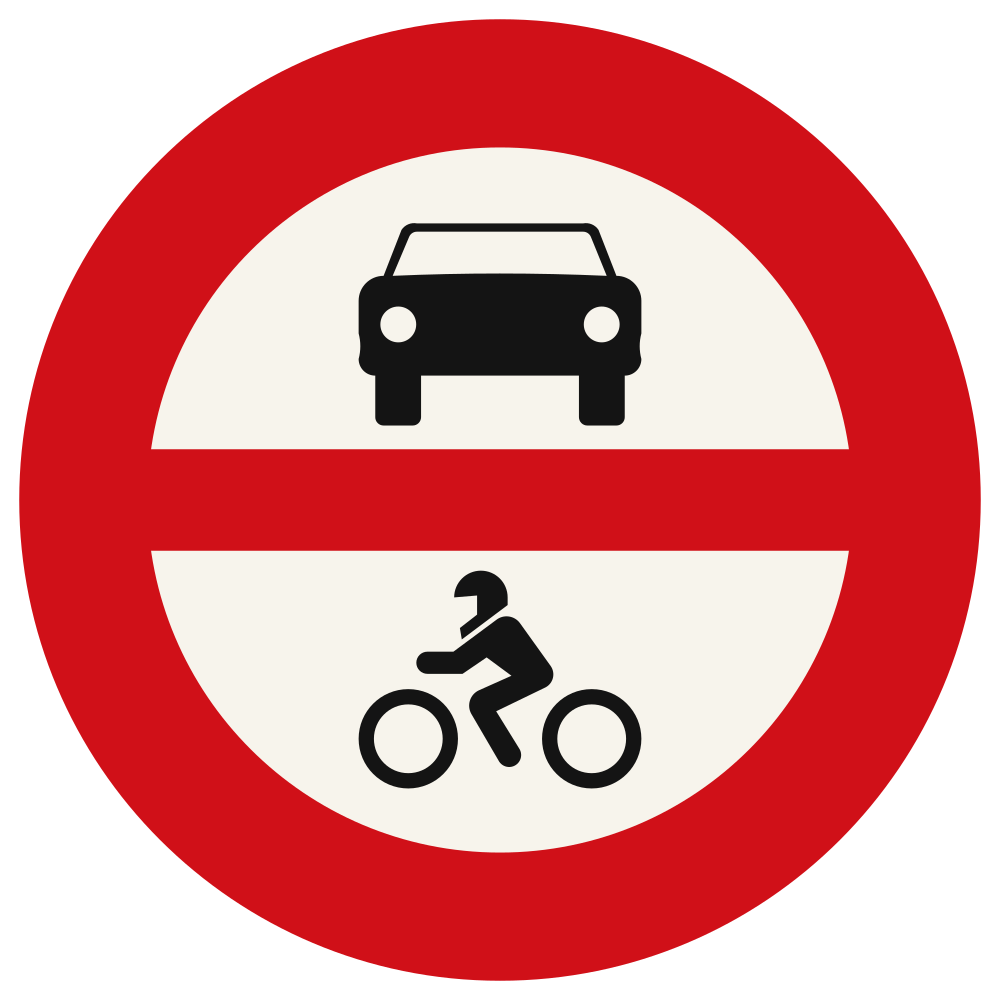 R-102 No entry for motor vehicles
Bans access to motor vehicles; mopeds and bicycles do not count as motor vehicles.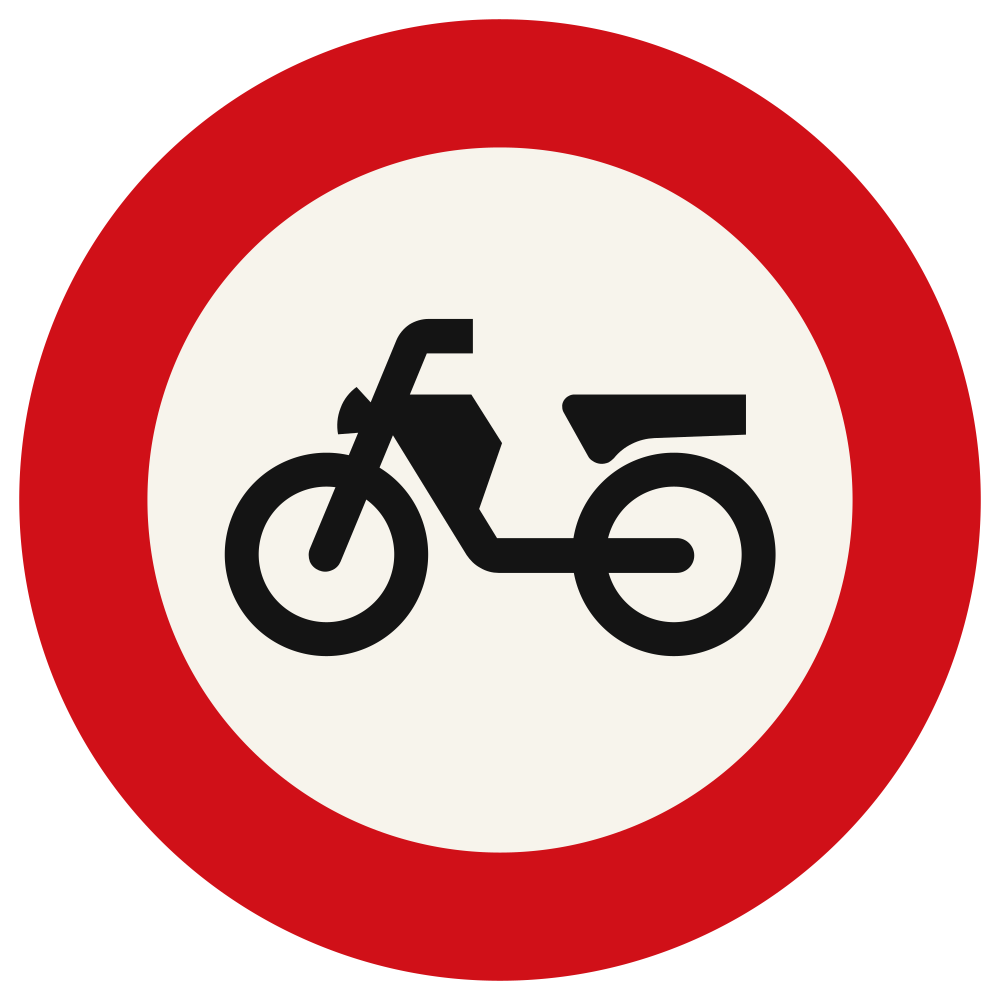 R-105 No entry for mopeds
Bans access to mopeds and to vehicles for persons with reduced mobility.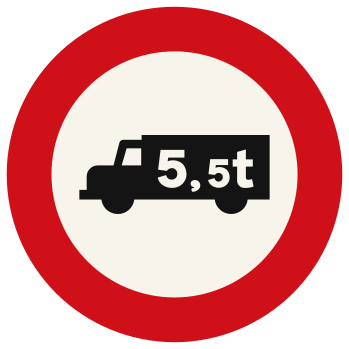 R-107 No entry for goods vehicles over the weight shown
Bans access to lorries and goods vans above the authorised weight shown, even when empty.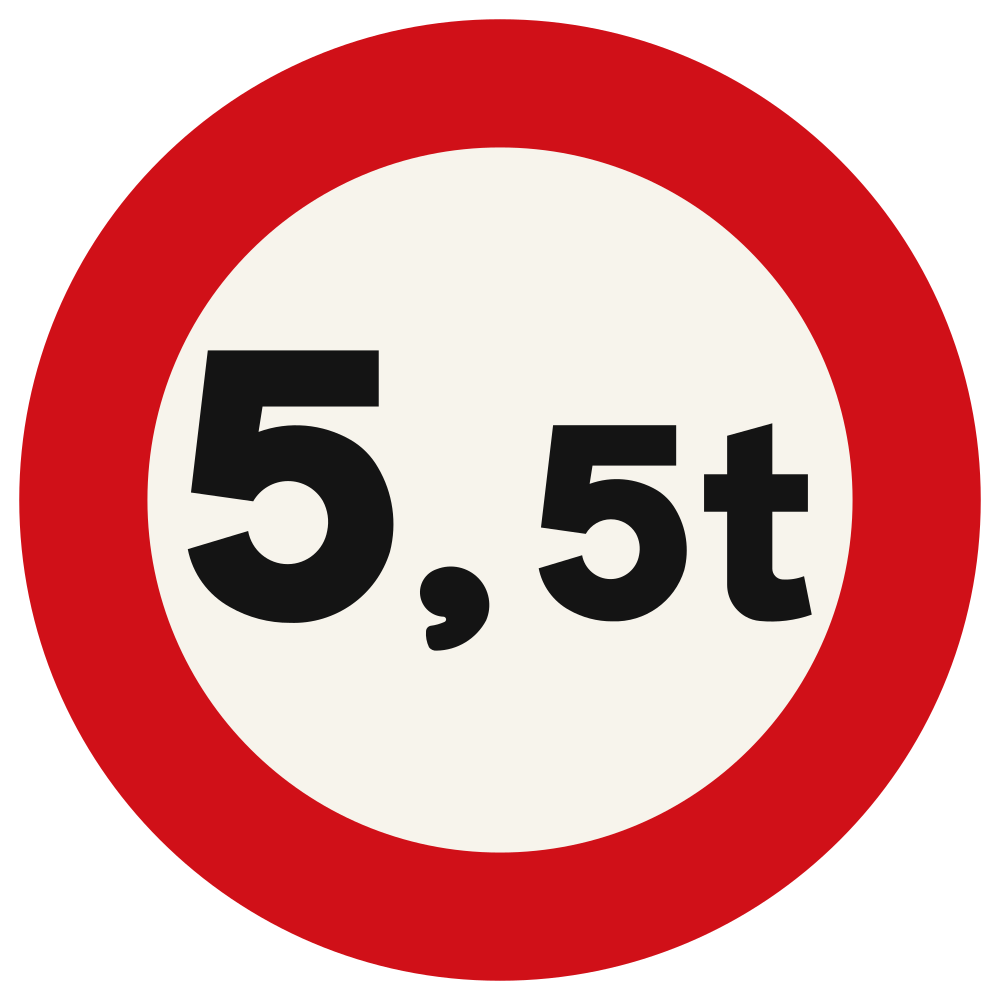 R-201 Weight limit
Bans passage to vehicles whose laden weight exceeds the figure shown, in tonnes.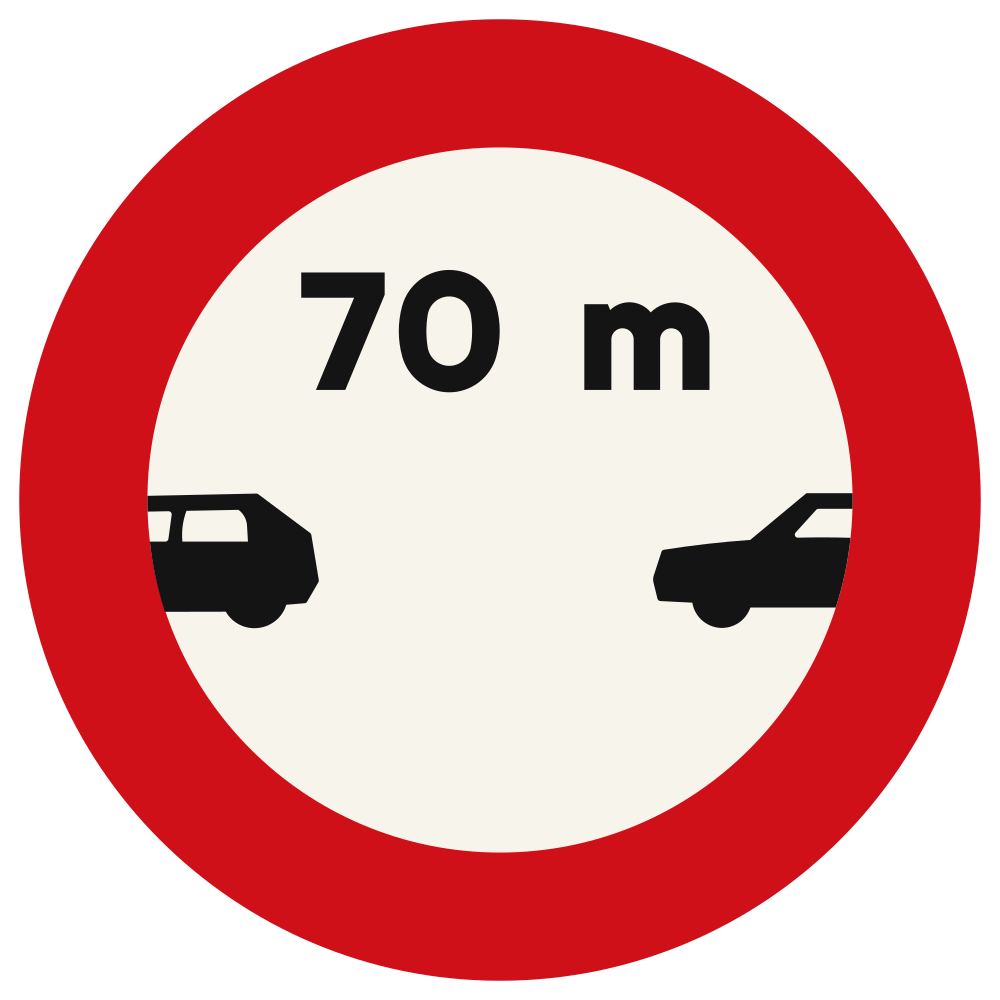 R-300 Minimum following distance
Bans driving closer than the stated gap to the vehicle ahead.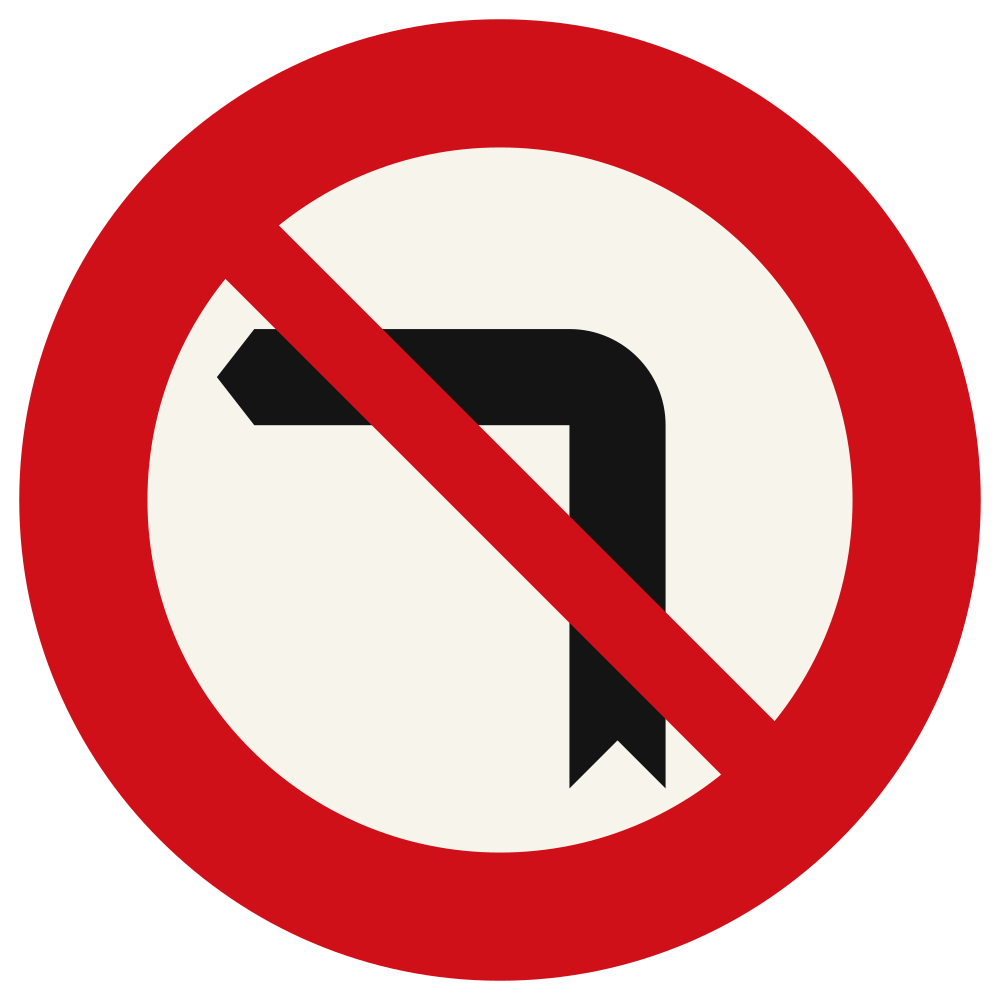 R-303 No left turn
Bans turning left and also covers changing direction.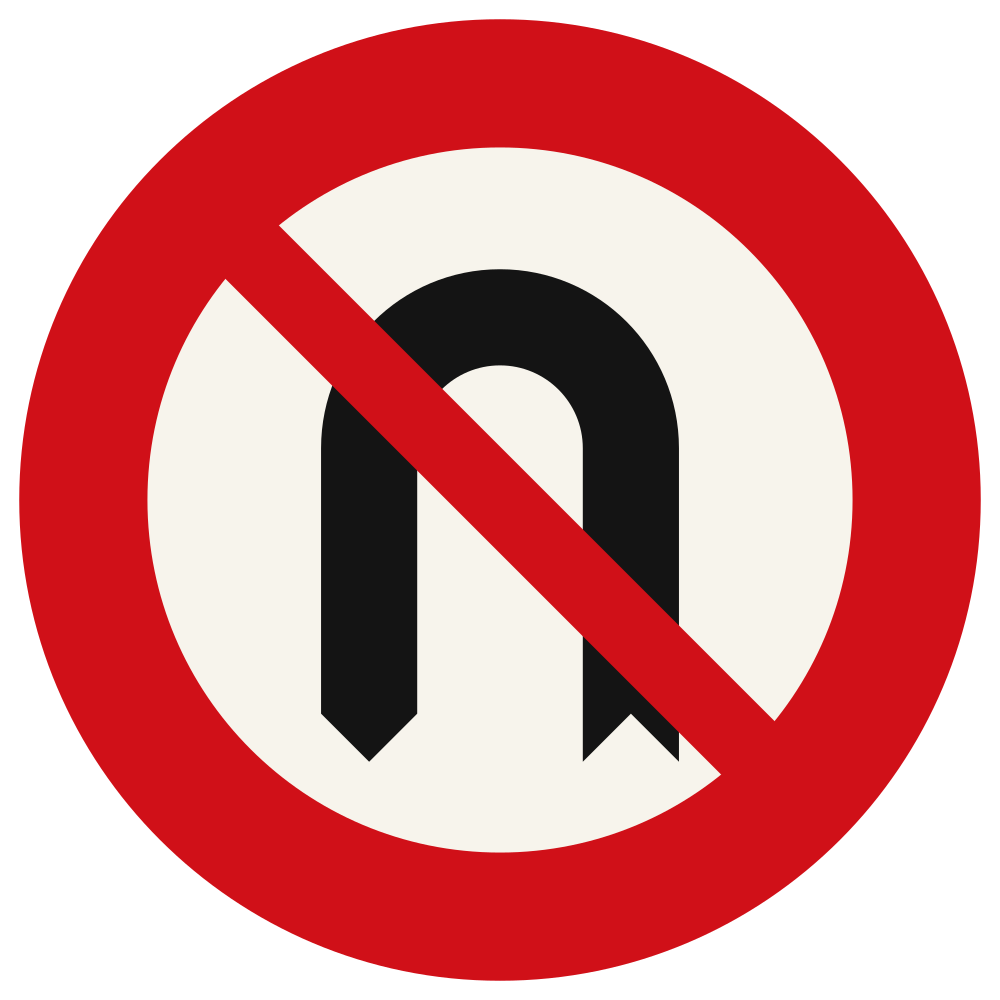 R-304 No U-turn
Bans the manoeuvre of changing the direction of travel.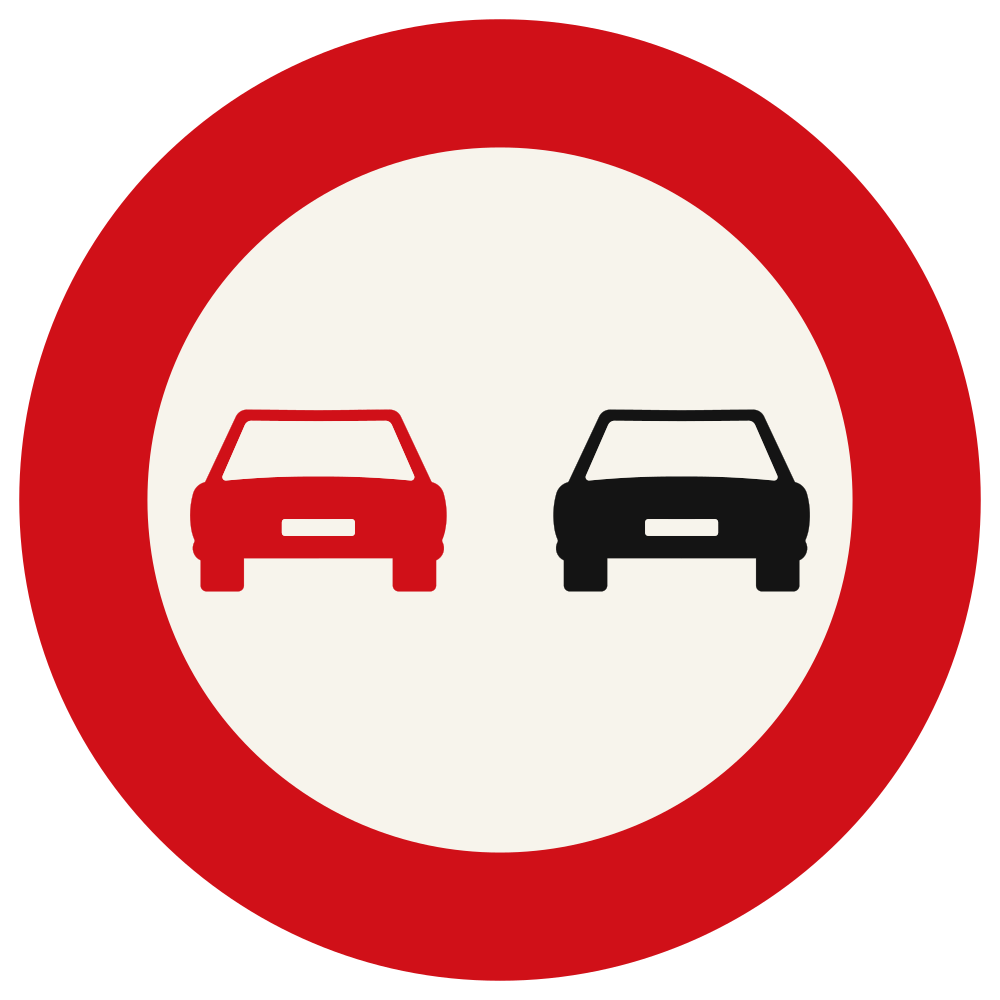 R-305 No overtaking
Bans every vehicle from overtaking motor vehicles when that means entering the opposing lane.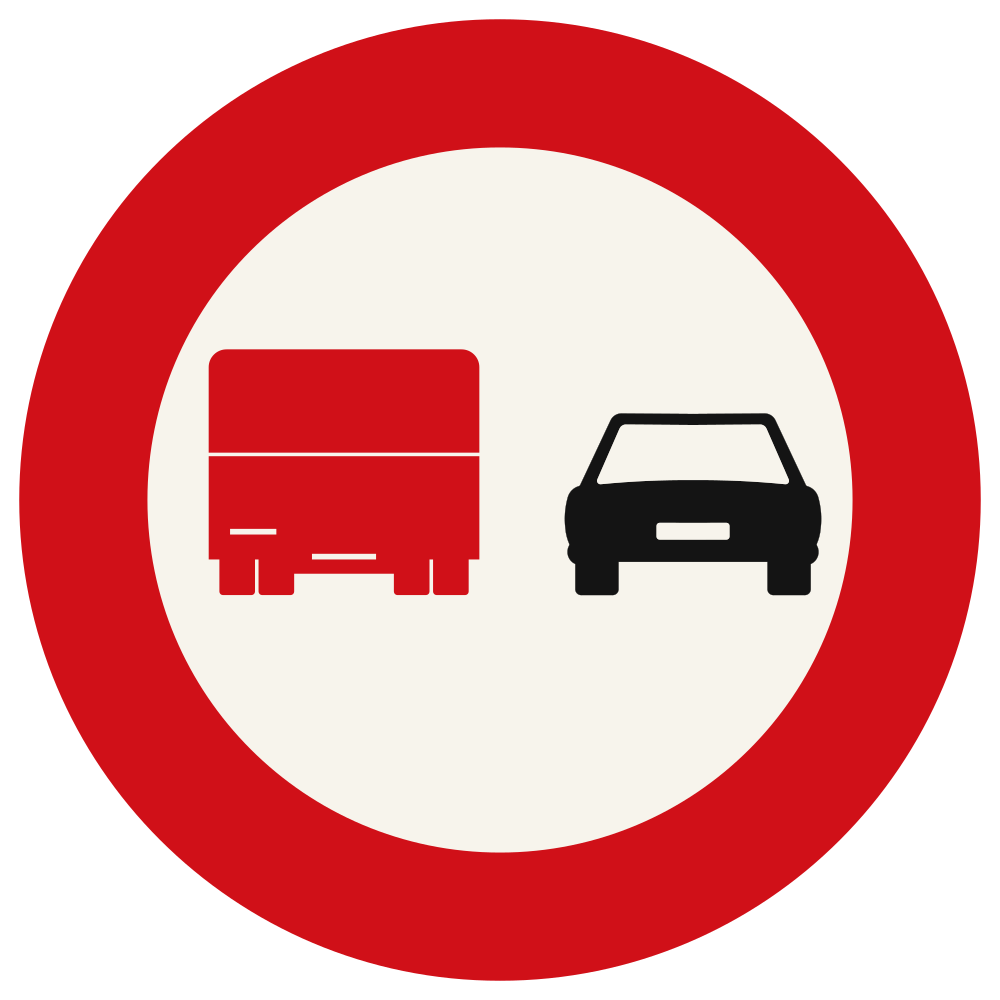 R-306 No overtaking for lorries
Bans lorries over 3,500 kg from overtaking motor vehicles, even without entering the opposing lane. R-307 No stopping or parking
Bans stopping and parking on the side of the carriageway where the sign stands. R-308 No parking
Bans parking on the side where the sign stands; a brief stop remains allowed.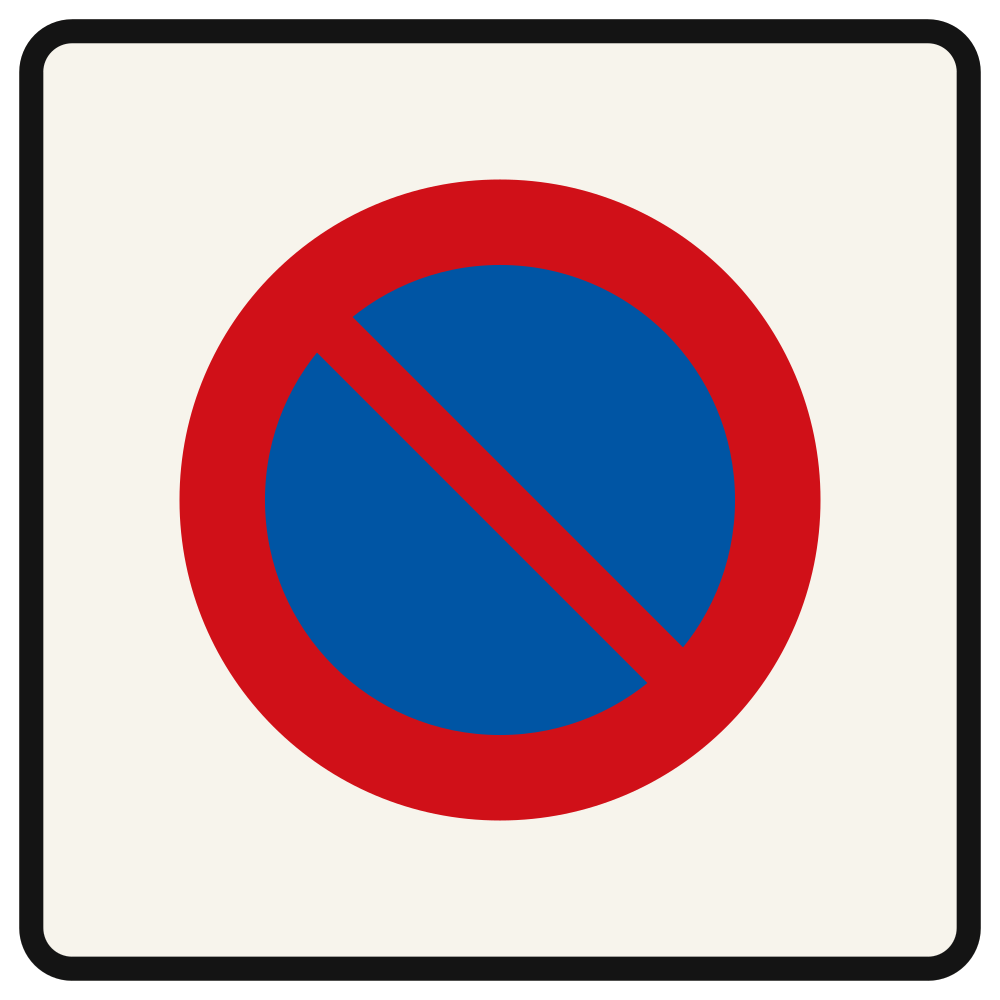 R-309 Limited parking zone
Parking zone with a limited duration, with a duty to show the start time. R-400a Mandatory direction (arrow to the right)
The arrow marks the only direction and way you must follow at that point. R-400c Mandatory direction (arrow straight ahead)
With a single arrow, that direction is the only one permitted; this is the straight-ahead one. R-402 Mandatory direction at a roundabout
The arrows mark the circulating direction you must follow in the roundabout.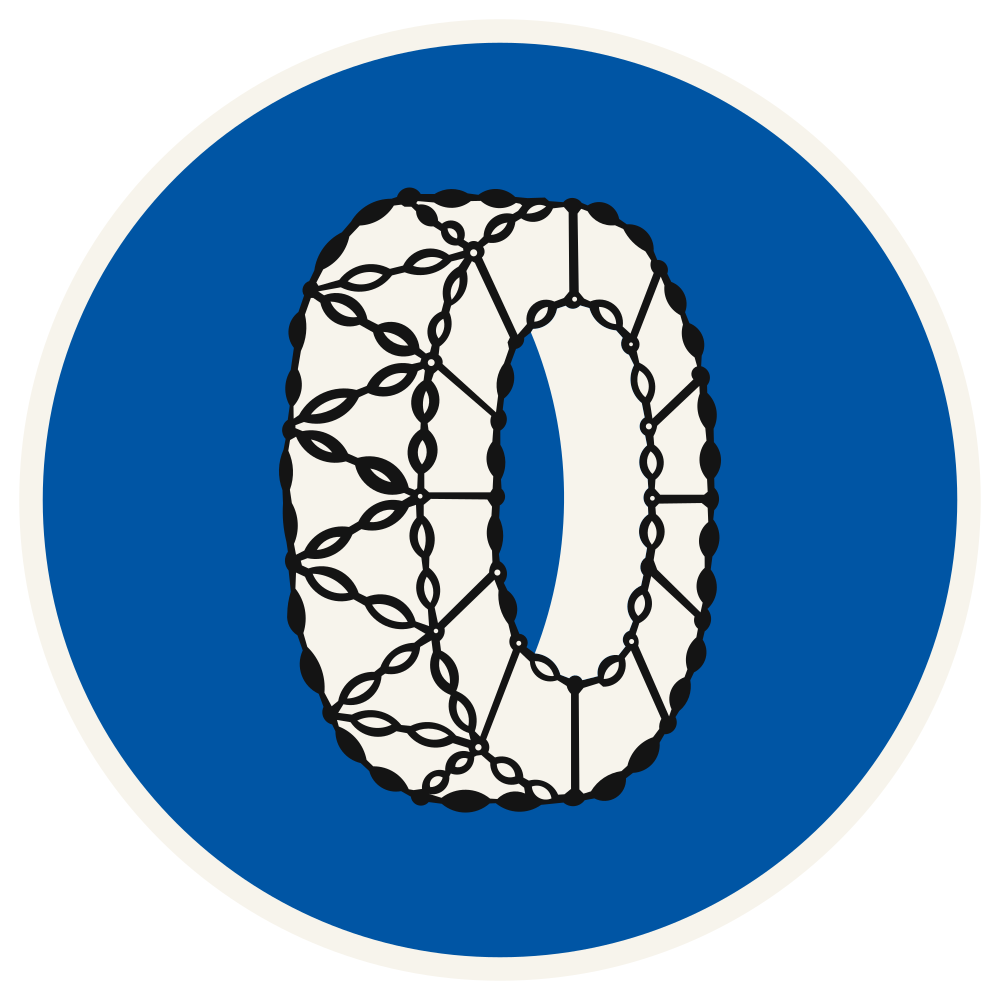 R-412 Snow chains
Bans carrying on without chains or snow tyres on at least one wheel each side of the drive axle. R-413 Dipped headlights
Requires you to drive with at least dipped headlights, whatever the light, until an end sign. R-500 End of prohibitions
Lifts all specific prohibitions for moving vehicles at once.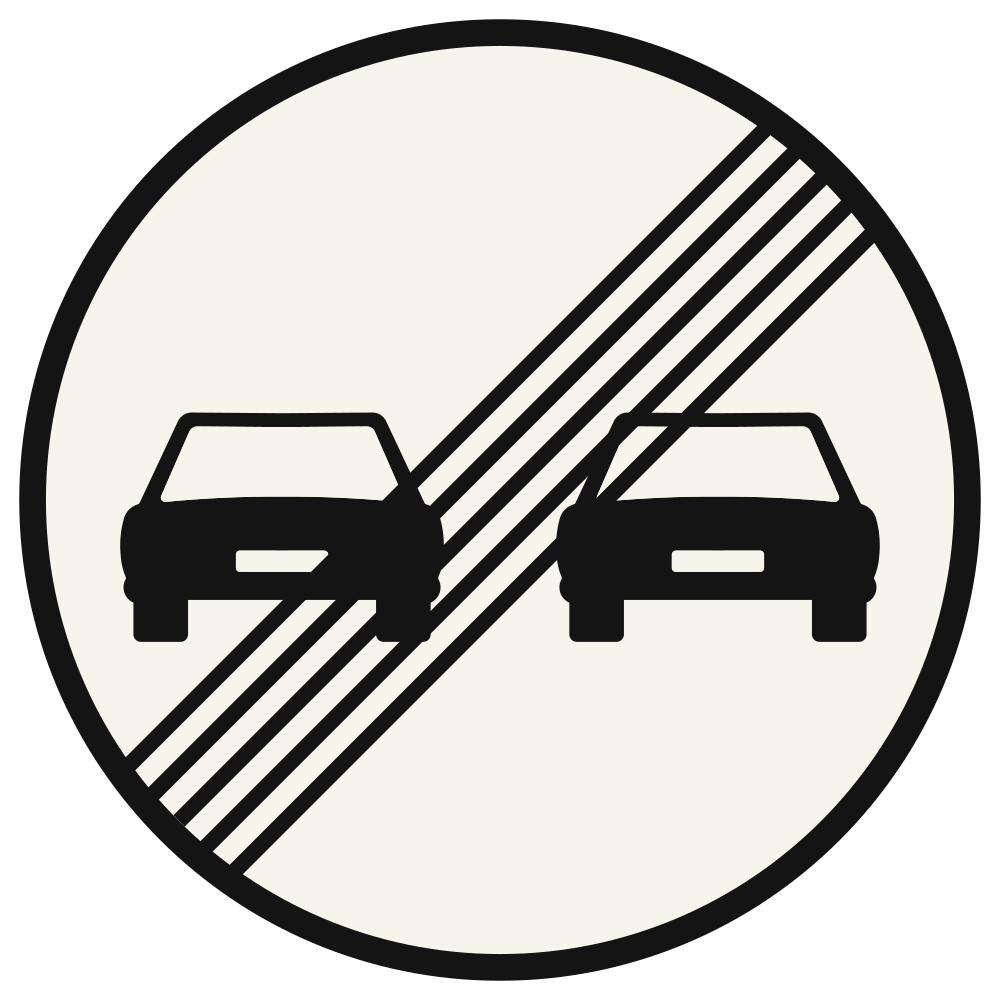 R-502 End of the no-overtaking ban
Lifts the overtaking ban you were under; the general overtaking rules return.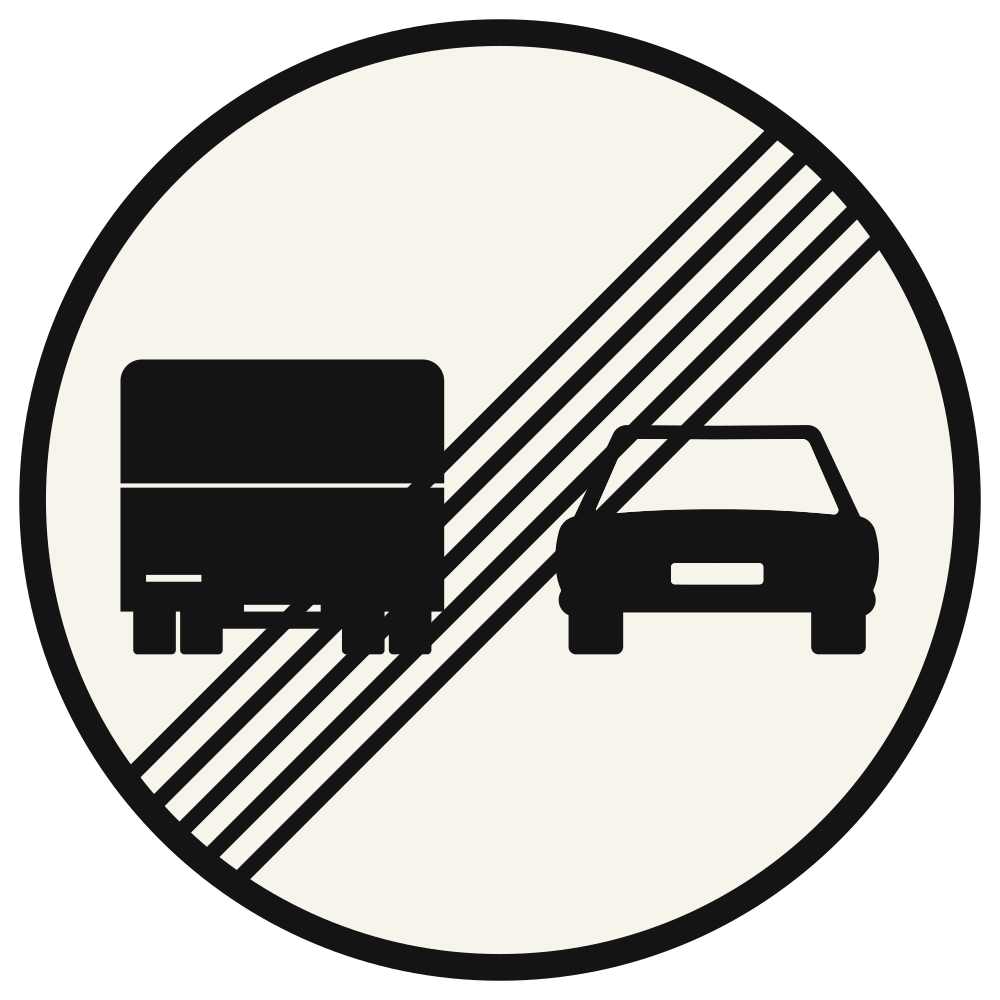 R-503 End of the no-overtaking ban for lorries
Lifts only the no-overtaking ban for lorries.
Information signs
 S-1 Motorway
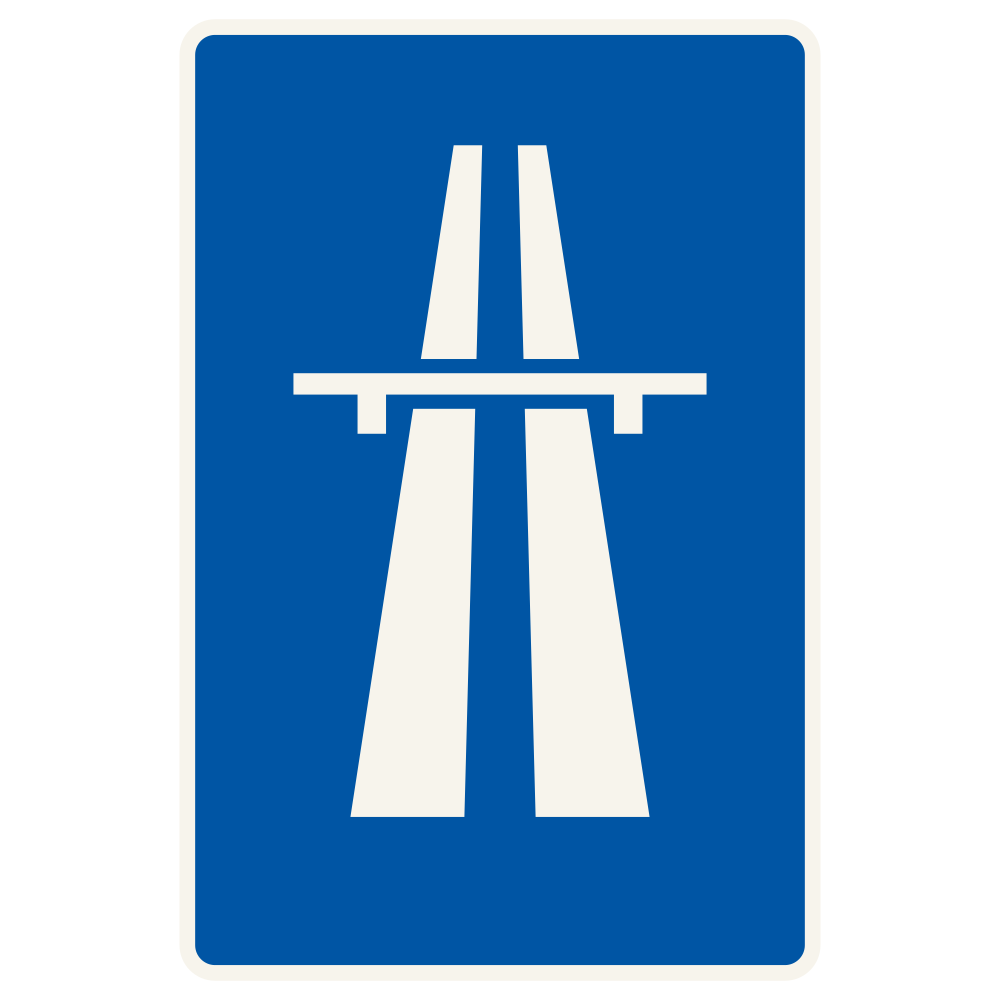
Marks the start of a motorway and of its special traffic rules.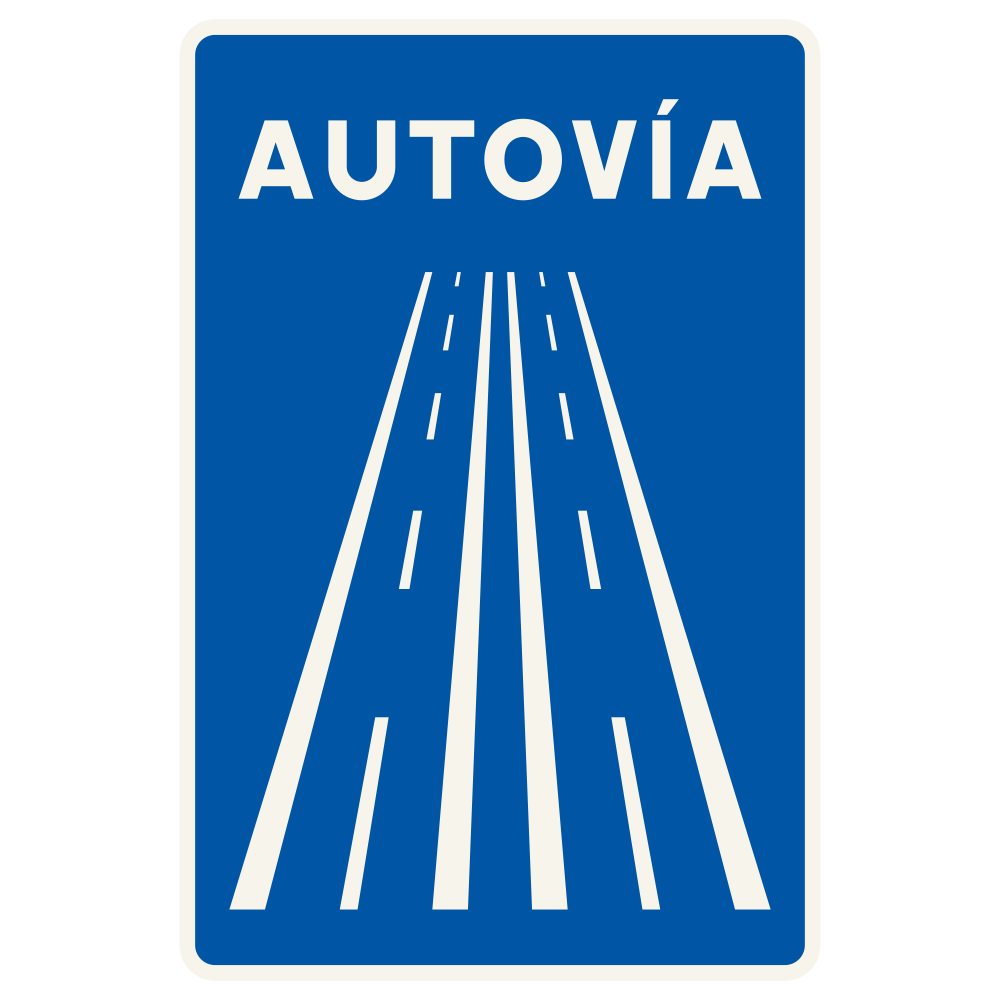 S-1a Dual carriageway
Marks the start of a dual carriageway and of its special traffic rules.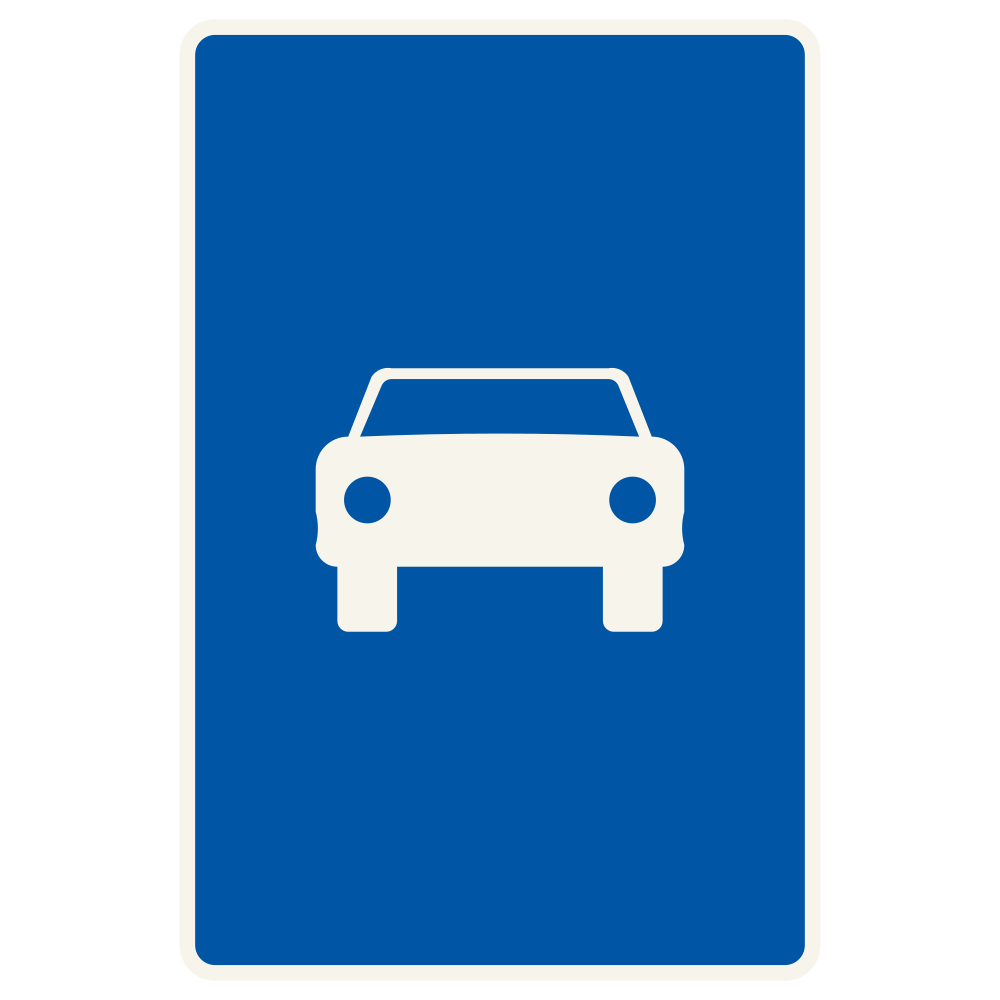 S-3 Road reserved for motor vehicles
Marks the start of a road reserved for motor vehicles.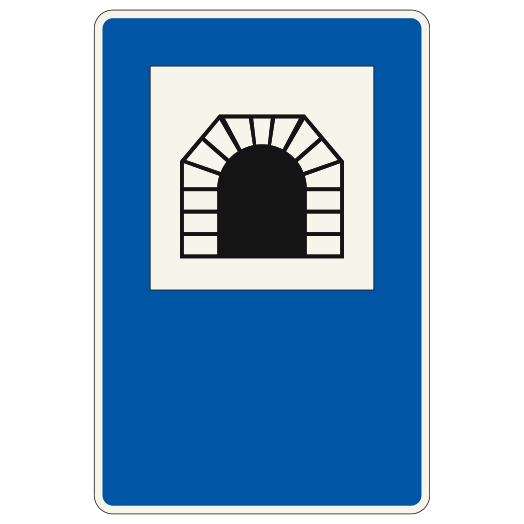 S-5 Tunnel
Marks the start of a tunnel, an underpass or an equivalent stretch.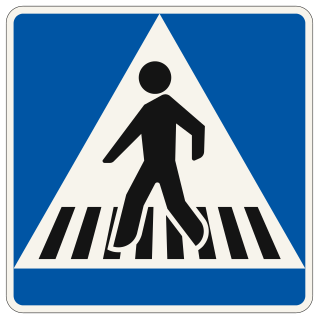 S-13 Location of a pedestrian crossing
Information sign that marks where a pedestrian crossing is.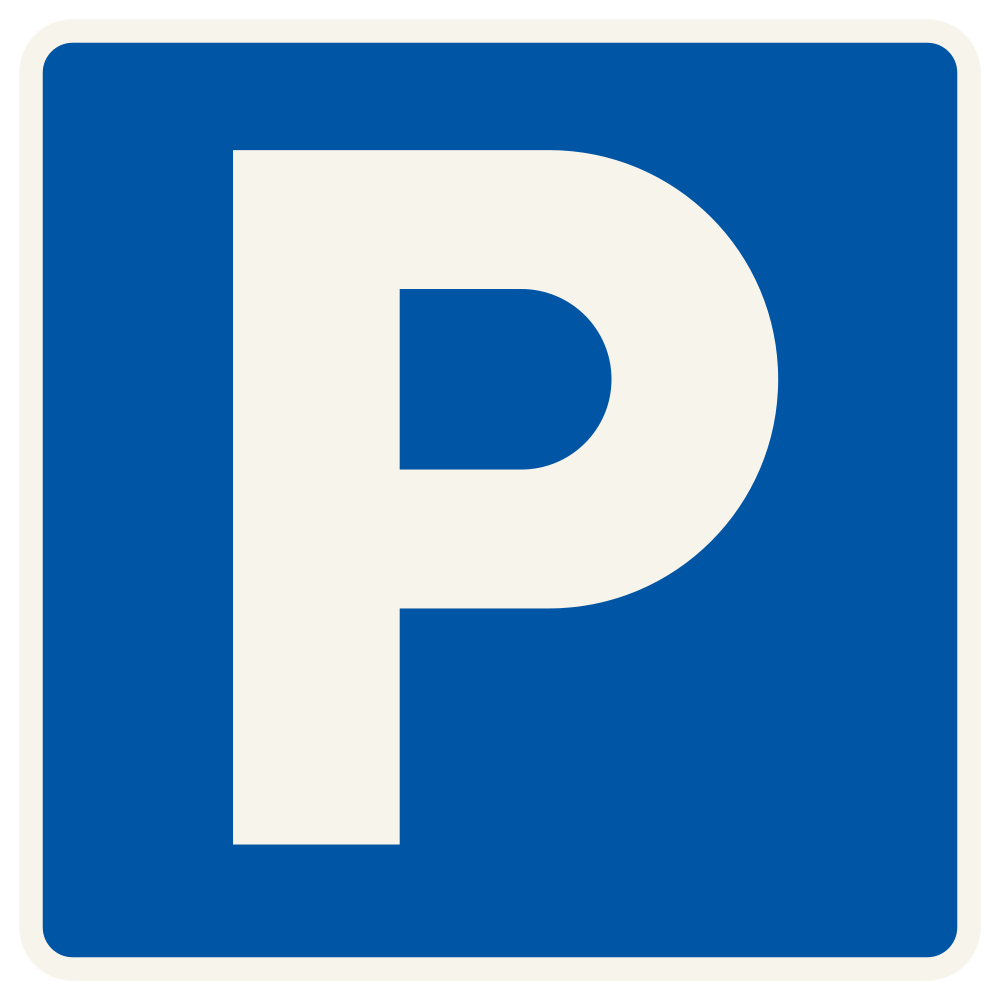 S-17 Parking
Shows the place where parking is authorised.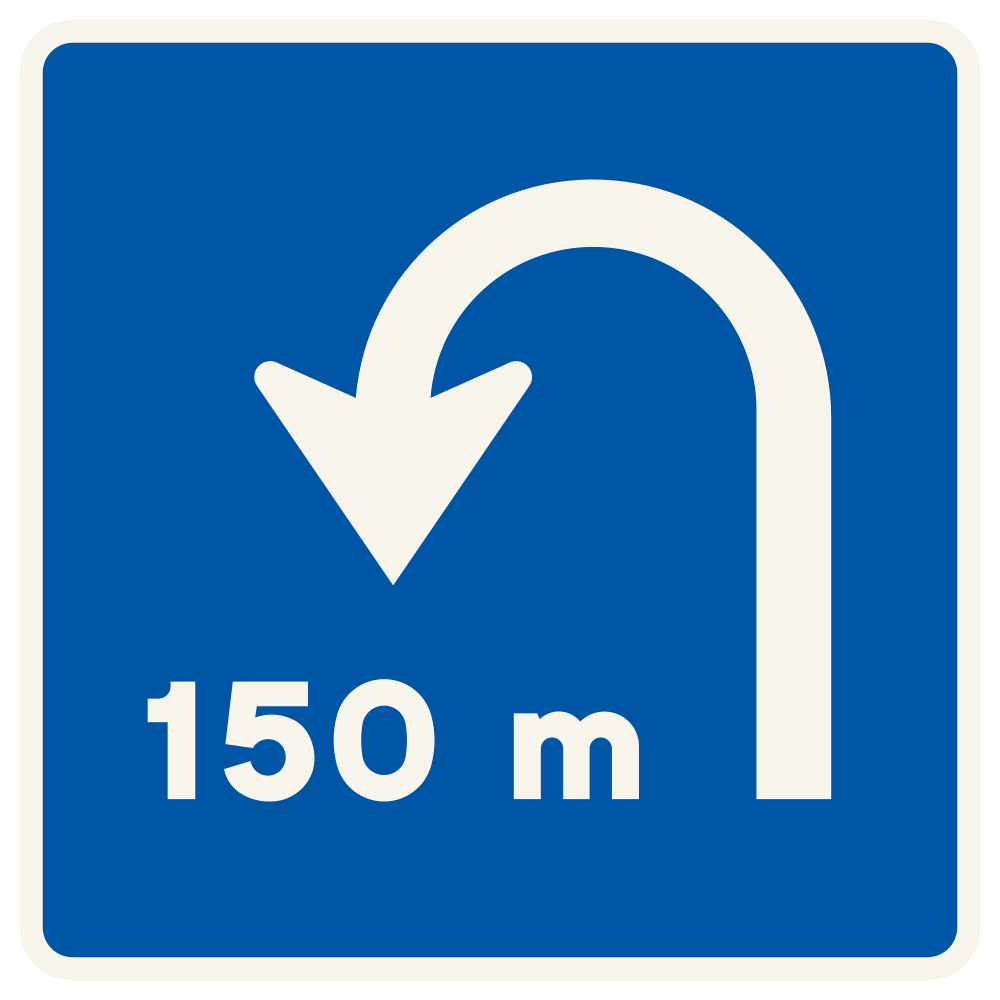 S-22 U-turn at the same level
Indicates the approach of a place where you may change direction at the same level.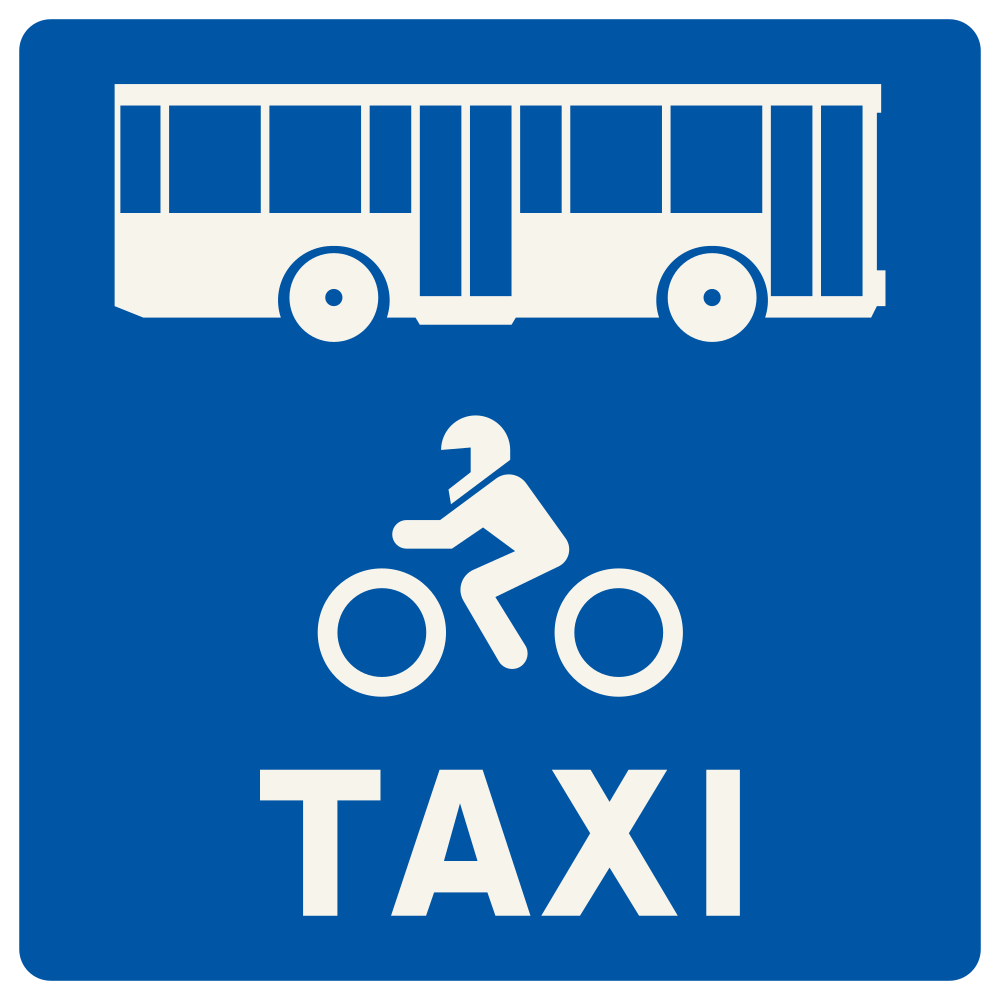 S-51a Lane reserved for specific types of vehicle
Lane reserved for the types of vehicle shown by its pictogram.
The full Spanish catalogue is at /senales.
Learn the rule, then practise it
Inside the app every lesson teaches the rule with its BOE citation and drills it with exam-style questions.
Start in the app